Archives
- 2026-03
- 2026-02
- 2026-01
- 2025-12
- 2025-11
- 2025-10
- 2025-09
- 2025-03
- 2025-02
- 2025-01
- 2024-12
- 2024-11
- 2024-10
- 2024-09
- 2024-08
- 2024-07
- 2024-06
- 2024-05
- 2024-04
- 2024-03
- 2024-02
- 2024-01
- 2023-12
- 2023-11
- 2023-10
- 2023-09
- 2023-08
- 2023-06
- 2023-05
- 2023-04
- 2023-03
- 2023-02
- 2023-01
- 2022-12
- 2022-11
- 2022-10
- 2022-09
- 2022-08
- 2022-07
- 2022-06
- 2022-05
- 2022-04
- 2022-03
- 2022-02
- 2022-01
- 2021-12
- 2021-11
- 2021-10
- 2021-09
- 2021-08
- 2021-07
- 2021-06
- 2021-05
- 2021-04
- 2021-03
- 2021-02
- 2021-01
- 2020-12
- 2020-11
- 2020-10
- 2020-09
- 2020-08
- 2020-07
- 2020-06
- 2020-05
- 2020-04
- 2020-03
- 2020-02
- 2020-01
- 2019-12
- 2019-11
- 2019-10
- 2019-09
- 2019-08
- 2019-07
- 2019-06
- 2019-05
- 2019-04
- 2018-11
- 2018-10
- 2018-07
-
A significant contribution to the discovery of novel Hh
2022-09-01
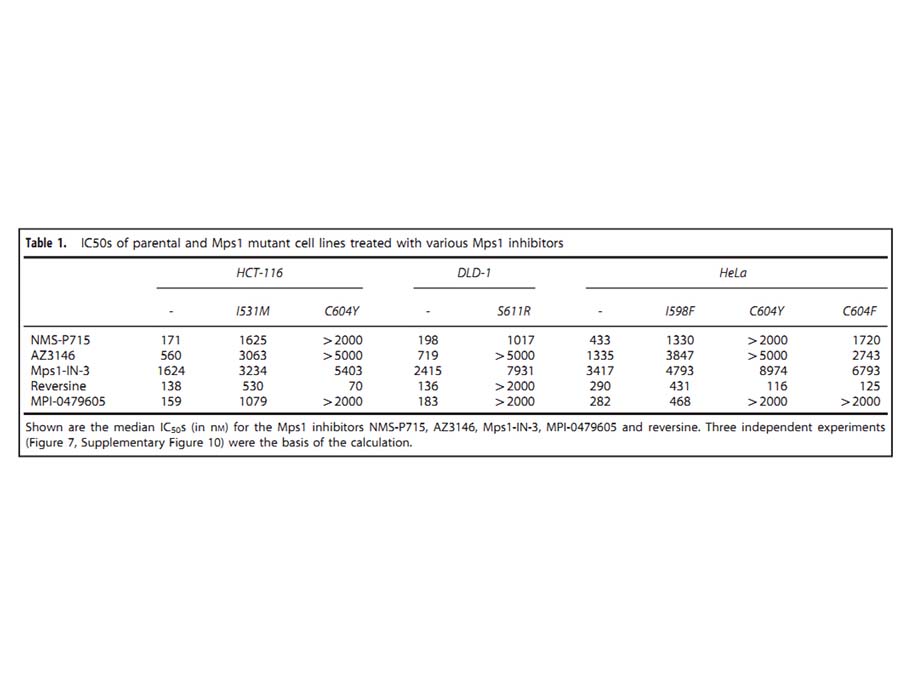
A significant contribution to the discovery of novel Hh inhibitors is given by natural compounds [11,17,22,31,32]. The first Hh inhibitor ever discovered has been Cyclopamine, a steroidal alkaloid isolated from plants of the Veratrum species [13,33]. Subsequently, many natural compounds belonging to
-
In our reporter assay system C H T Gli Luc
2022-09-01
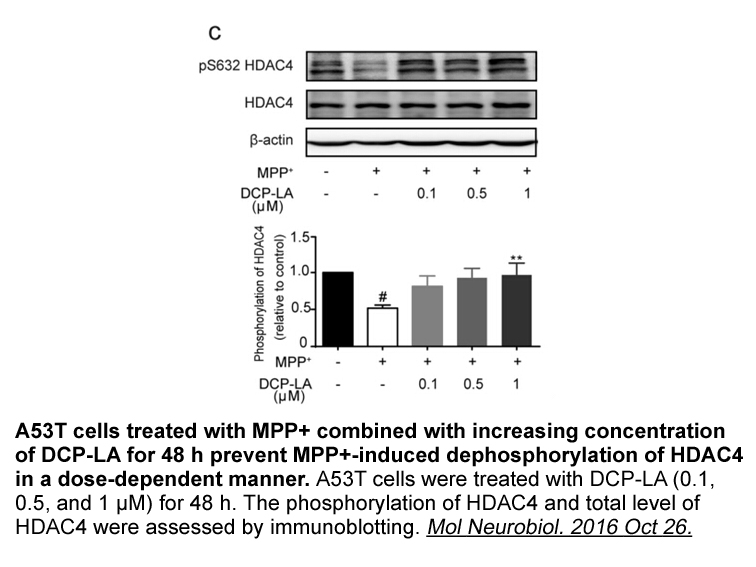
In our reporter assay system, C3H10T1/2-Gli1-Luc cells were incubated with Shh CM to induce Gli1-mediated luciferase activity (Fig. 1B). Z-Ajoene inhibited Shh CM-induced luciferase activity in a concentration-dependent manner as seen in Fig. 1C. Z-Ajoene also inhibited SAG (a Smo activator)-induced
-
Ghrelin is a brain gut peptide hormone secreted from
2022-09-01
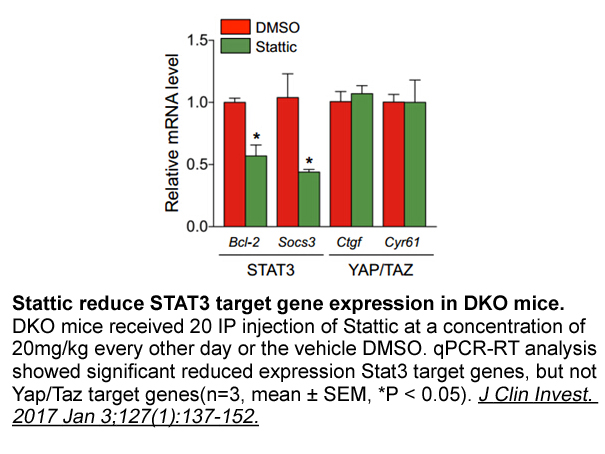
Ghrelin is a brain-gut peptide hormone secreted from the stomach to stimulate food intake by acting on its receptor, growth hormone secretagogue receptor (GHSR). GHSR is expressed throughout the brain and in NPY/AgRP neurons in the ARC (Cowley et al., 2003, Willesen et al., 1999). Ghrelin-expressing
-
Among sensitizers tested in the previous study six test chem
2022-09-01
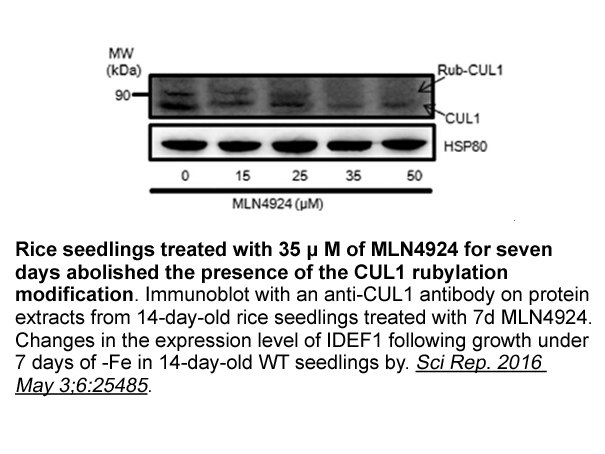
Among 22 sensitizers tested in the previous study, six test chemicals were pre- or pro-haptens (Nepal et al., 2018a). Among 6 chemicals, hydroquinone and 2-aminophenol, strong sensitizers, were falsely classified as non-sensitizers due to the lack of metabolic activation (Nepal et al., 2018a). Liter
-
D appears to be important for receptor function
2022-09-01
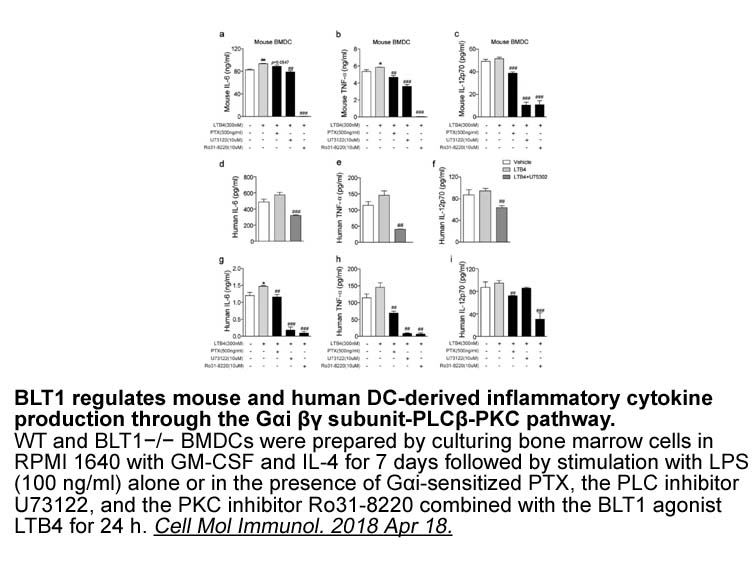
D83 appears to be important for receptor function as a mutation to an alanine produced a non-functional channel. Interestingly, maintaining the charge as in D83E produced only a small reduction in GABA sensitivity. Other mutations at this position which included residues capable of hydrogen bonding
-
Conclusions br Author information The
2022-09-01
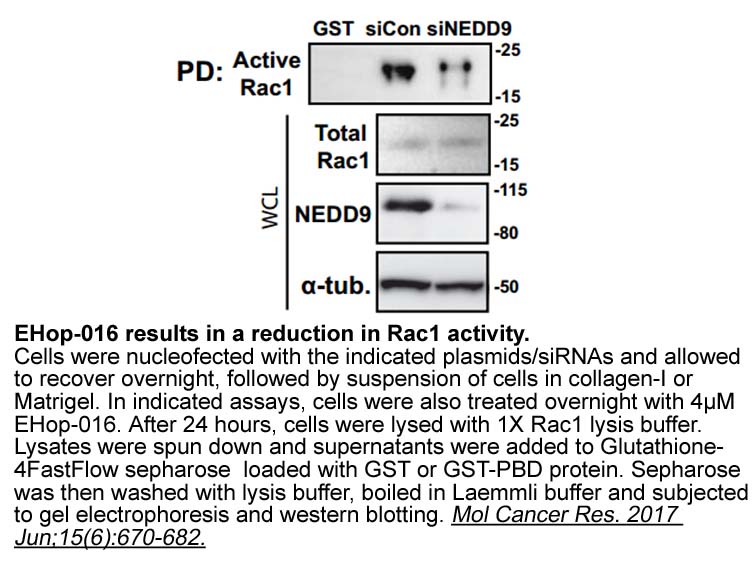
Conclusions Author information The obtained models of complexes of FPR2 with most of the described compounds are freely available at the author’s web site: http://www.biomodellab.eu/models/. Acknowledgements This work was partly done at the Interdisciplinary Centre for Mathematical and Compu
-
br Introduction GPR also known as free fatty acid
2022-09-01
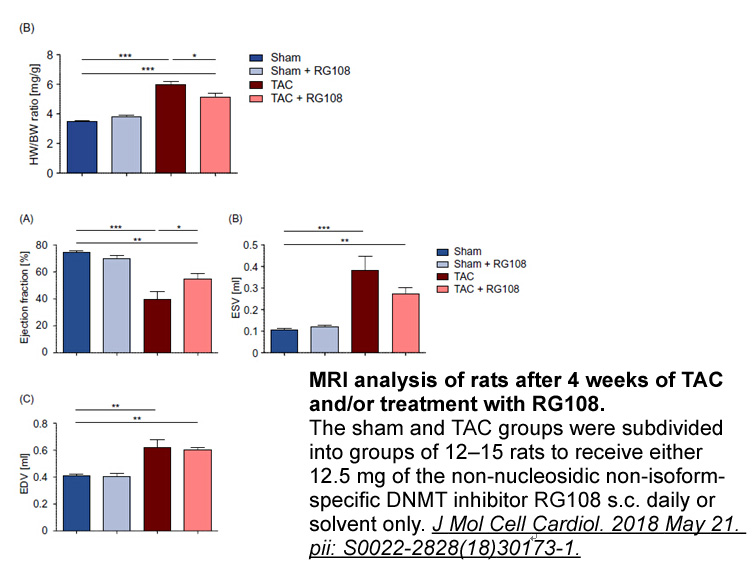
Introduction GPR40 (also known as free fatty indocid receptor 1), a member of the G-protein coupled receptor (GPCR) family, is expressed in pancreatic beta cells, intestine and the central nervous system (Bekinschtein et al., 2008; Itoh et al., 2003). It is activated by medium- and long-chain sa
-
However at variance with the well studied R
2022-09-01
However, at variance with the well-studied R form of FBP1 which is flat, the R state of FBP2 is diametrically different, with a perpendicular orientation of the upper and lower dimers (Barciszewski et al., 2016). The cruciform-like R state of FBP2 is stabilized by a unique hydrophobic motif called ‘
-
br Introduction More than structurally different isoprenoids
2022-09-01
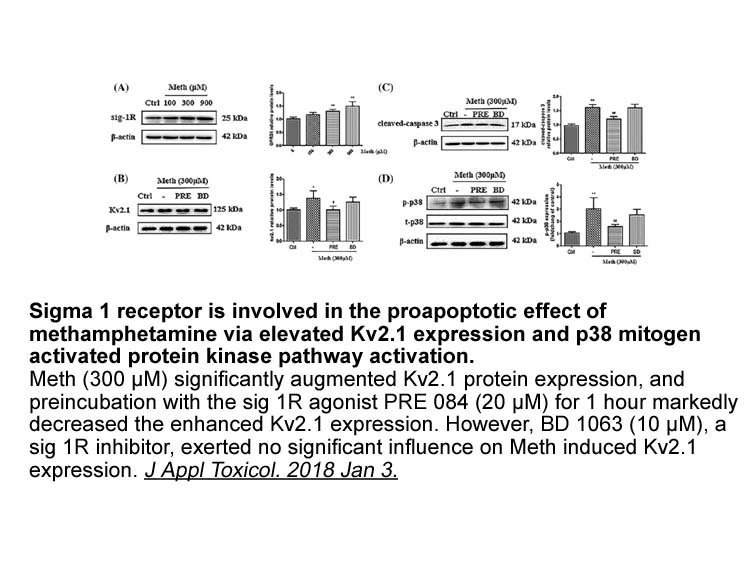
Introduction More than 30,000 structurally different isoprenoids, such as steroids, carotenoids, prenyl side-chain of quinones, prenyl proteins, and natural rubber, exist in nature. In a biosynthetic pathway, linear prenyl diphosphates are common structures as a precursor of isoprenoids, as shown
-
The molecular mechanisms underlying VSMC ETB receptor
2022-09-01
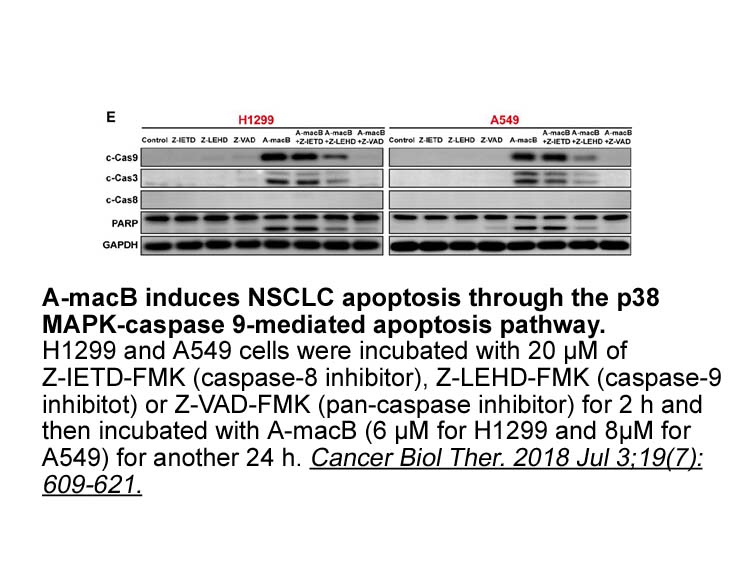
The molecular mechanisms underlying VSMC ETB receptor upregulation have been studied after 24–48h organ culture in both coronary and cerebral arteries. The increased expression of contractile ETB receptor at these time points has been shown to depend on transcriptional mechanisms and PKC and the ext
-
Glycine released from astrocytes as
2022-08-31
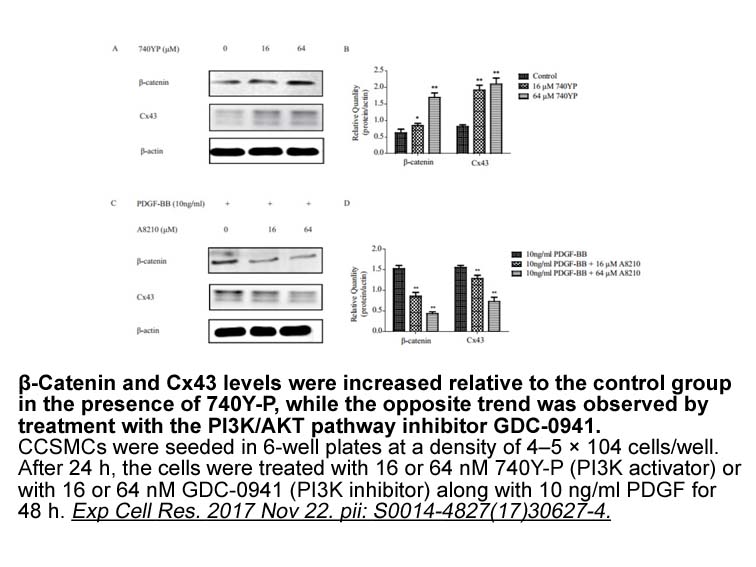
Glycine released from astrocytes as well as neurons is also known as a co-agonist of NMDAR (Roux and Supplisson, 2000). Neuronal glycine in mouse hippocampus might be released from glutamatergic terminals (Muller et al., 2013) that express functional Nitecapone synthesis receptors (Rodriguez et al.
-
Human epidermal growth factor receptor HER neu also known
2022-08-31
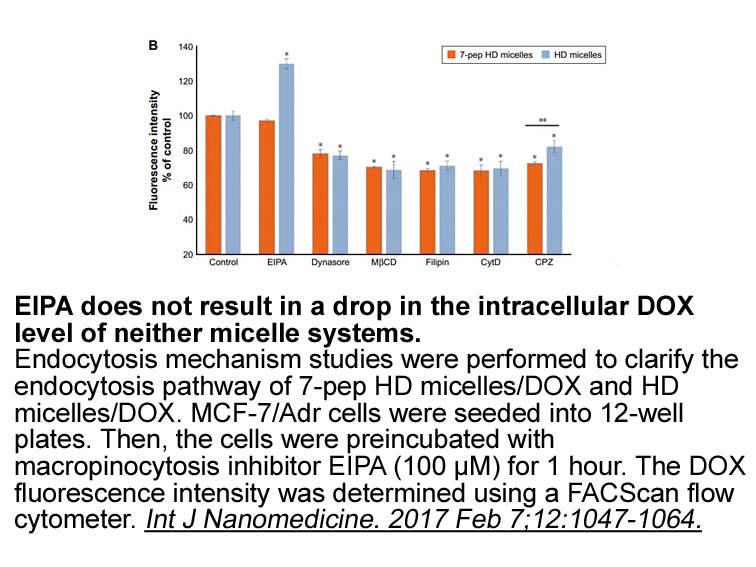
Human epidermal growth factor receptor 2 (HER2/neu, also known as CerbB-2, or ERBB-2) is a proto-oncogene located on chromosome 17q21, which encodes a transmembrane protein with tyrosine kinase activity, and belongs to the HER receptor family (EGFR, named also HER1, HER3, and HER4) [6]. HER2 is invo
-
The first suggestion that the Hh
2022-08-31
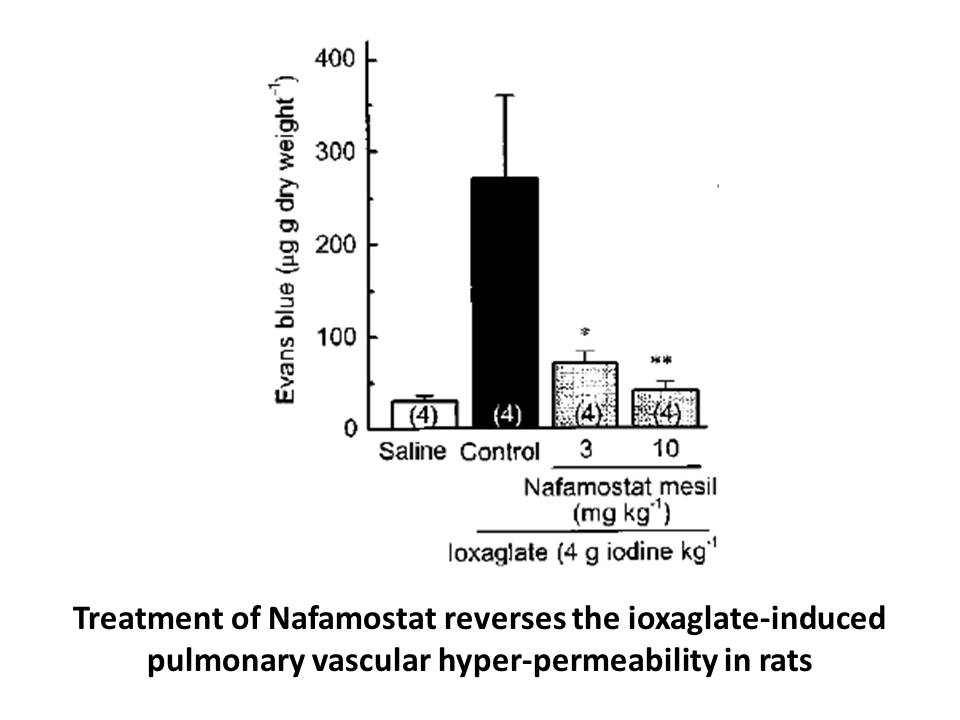
The first suggestion that the Hh pathway might be involved in the pathogenesis of chronic liver disease was reported at the beginning of this millennium by Shackel et al. who noted that Patch and Gli were upregulated in their microarray analysis of liver tissues from patients with primary biliary ch
-
All the compounds and were assayed for their
2022-08-31
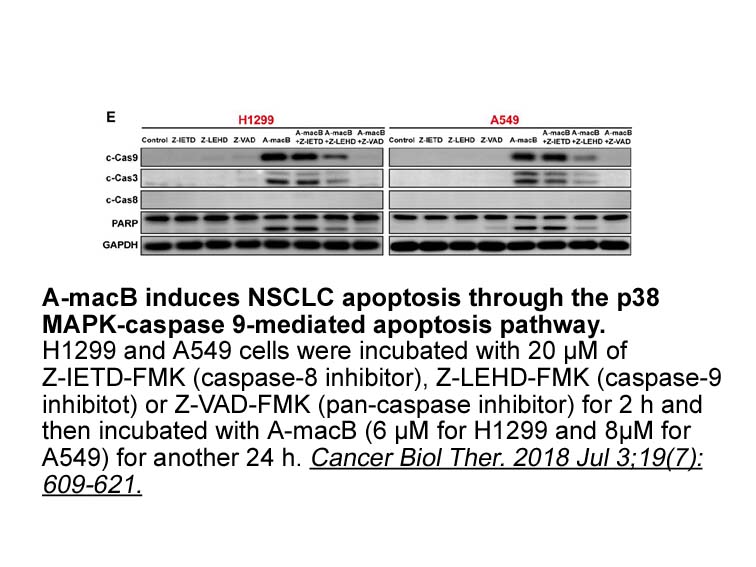
All the compounds –, , , –, , – and – were assayed for their potential cytotoxicity at a single dose of 10 µM on Huh7 cells. Interestingly, all compounds proved to be non toxic, with the exception of and which exhibited high cellular toxicity and therefore were excluded from further experiments (a
-
HCC is one of the most prevalent
2022-08-31
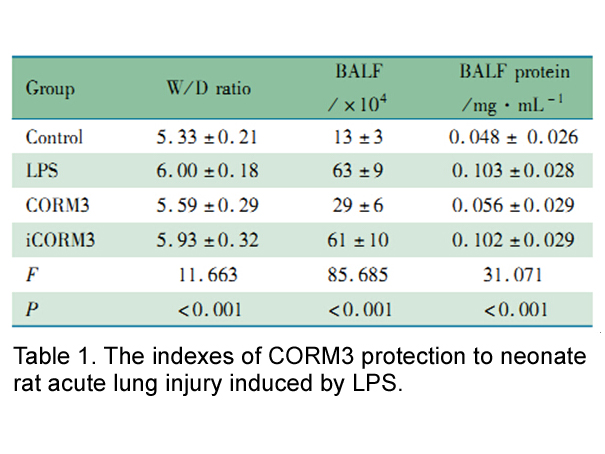
HCC is one of the most prevalent malignant tumors and a leading cause of cancer-related death, globally [[11], [12], [13]]. Hepatitis B virus (HBV) infection is closely related to the development of liver diseases [[14], [15], [16], [17]]. More than 350 million people are chronically infected with H
15887 records 379/1060 page Previous Next First page 上5页 376377378379380 下5页 Last page